The final stretch: What to watch for as the session nears its end
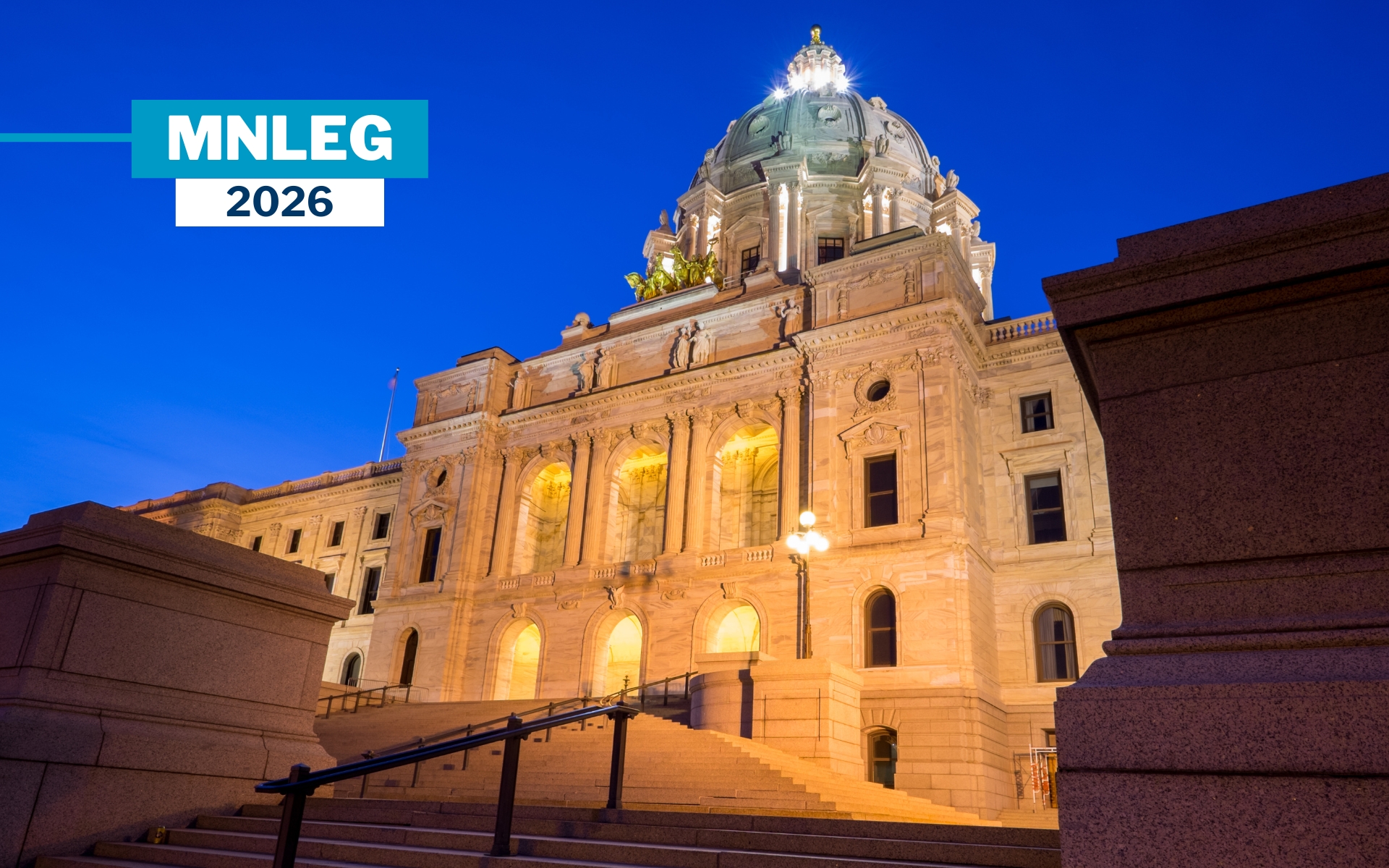
We've been focused on bipartisan legislation that can have a big impact on the health of the Mississippi River. (Photo via Canva)
FMR entered the 2026 legislative session with a small and impactful set of legislative priorities focused on funding the programs that protect and restore the Mississippi River. With tight timelines, a small state budget surplus and a tied House of Representatives, we’ve concentrated on bipartisan legislation and small investments that can have an outsize impact.
With some key legislative milestones behind us, now is a great time to assess where these priorities stand as we enter the final push to finish by May 18.
Where our river priorities stand
Environmental guardrails for SAF
Legislation that would put much-needed environmental guardrails around an existing sustainable aviation fuel tax credit is in a good place as we enter the final weeks of the session. The Taxes committees in both the House and Senate heard testimony on their respective bills this month and are likely to include our these guardrails in a final tax-related package.
The bills (SF1312 and HF1669) include five important measures that will help ensure Minnesota’s sustainable aviation fuel industry can actually be considered sustainable by protecting water and habitat. For more, check out a recent update from FMR Biofuels Policy Manager Meghan Anderson.
Clean-water crops and Forever Green
A tight state agricultural budget means there will be little to no new investments in clean-water crops and Forever Green this session. However, we were granted significant time to present updates on advancements in this space, including market development progress and value chain investments focused on continuous living cover.
For more on the warm reception Forever Green updates received in the House and Senate agriculture committees, check out this recent update from FMR’s Agricultural Policy Manager Peter LaFontaine.
Lock and dam removal study
Minnesota’s Environment & Natural Resources Trust Fund uses proceeds from the Minnesota State Lottery to invest in conservation. The Legislative‐Citizen Commission on Minnesota Resources has recommended 109 proposals totaling roughly $103 million to the legislature this session. The House (HF3426) and Senate (SF3875) have advanced bills that largely reflects the recommendations from that commission.
Both bills include FMR’s proposal to use $923,000 to conduct a removal feasibility study for the Lower St. Anthony Falls Lock and Dam and Lock and Dam 1. This study will assess the potential for lock and dam removal, including the ecological and recreational benefits of the approach, and how removal could impact river infrastructure such as bridges, stormwater systems and utilities.
Conservation funding
This year's Outdoor Heritage Fund bill includes $191 million in recommended projects, and addresses two key FMR priorities:
-
$869,000 for restoration work at four separate FMR conservation sites. The funds will allow us to remove invasive plants, seed and plant native prairie and forest species, conduct prescribed burns and maintain diverse, resilient habitats.
-
In 2024, FMR and our partners secured $12 million for an invasive carp deterrent in the Mississippi River at Lock and Dam 5 just upstream of Winona. While that project is underway, an amendment is needed to extend the design deadline to June 30, 2027. The final installation deadline (June 30, 2029) remains unchanged.
While the Senate’s LSOHC bill (SF4304) passed out of committee without issue, the House bill (HF3879) failed to pass the House Legacy Finance committee. Disputes over a trio of amendments resulted in the bill failing to advance after a party-line vote. FMR will continue to work with lawmakers in both chambers to get the House bill back on track before the session
Water infrastructure
Early this year, Gov. Tim Walz proposed $907 million in public infrastructure funding, including significant investments in statewide water infrastructure. Legislators in each chamber are considering these investments through a bonding bill.
Some highlights in the recommendations include $106 million in water infrastructure funding for the Public Facilities Authority.
- $19M for the Clean Water State Revolving Fund (CWSRF) and the Drinking Water State Revolving Fund (DWSRF) for low-interest loans to communities for clean water and drinking water infrastructure improvements.
- $7M for the Lead Service Line Replacement (LSLR) Grant Program to replace publicly and privately owned lead service lines.
- $45 million for the Point Source Implementation Grants (PSIG) program, which provides grants to communities to construct wastewater, stormwater, and drinking water treatment projects.
- $20 million for the Water Infrastructure Funding (WIF) program, which provides supplemental assistance grants for clean water and drinking water infrastructure in communities that meet certain affordability criteria.
- $15 million for grants to local governments to address emerging contaminants (such as PFAS) in drinking water through improved drinking water treatment systems and/or alternative water supplies.
Bonding bills are still under consideration in the House and Senate. As all bonding bills must secure 60% support in both chambers to advance, legislative leaders will continue negotiations on a package that can pass muster.
We’ll continue to advocate for a bonding bill that includes at least $100 million in clean water infrastructure.
Data centers
Minnesotans are rightfully concerned about the potential environmental risks associated with Data Center proposals across the state. We are too.
While the legislature passed some environmental and energy guardrails for data centers last year, major concerns about energy use, water use, affordability, transparency and quality of life for local residents remain.
Multiple proposals, including moratoriums, enhanced environmental review requirements, stronger permit standards and water use restrictions, and more, have been debated this session. For more on this emerging issue, we highly recommend resources provided by our friends at the Minnesota Center for Environmental Advocacy (including their Data Center Download email series), the Coalition for Responsible Data Center Development and Fresh Energy.
Help us finish strong
There are only a few weeks left in the session, and several key FMR priorities hang in the balance. FMR and our partners count on our River Guardians to help us get these bills across the finish line.
Sign up to be a River Guardian, and we'll reach out when there are opportunities to send a message to decision-makers on our legislative priorities. (You'll also get invites to special events.) Check out all of our active action opportunities here.
Become a River Guardian
Sign up and we'll email you when important river issues arise. We make it quick and easy to contact decision-makers. River Guardians are also invited to special social hours and other events about legislative and metro river corridor issues.